Checking Out the Positive Effect of Teenager Treatment on Mental Wellness
The significance of psychological health and wellness during teenage years can not be overemphasized. Numerous young adults face distinct difficulties that can impact their emotional well-being. Treatment uses an organized method to resolve these problems, promoting durability and self-awareness. Various therapeutic methods accommodate different needs, giving tools for dealing and analytical. As society significantly acknowledges this requirement, the inquiry continues to be: exactly how can these restorative treatments shape the future of teen mental wellness?
Understanding the Significance of Mental Wellness in Adolescents
While many grownups may neglect the psychological wellness difficulties dealt with by teenagers, comprehending these concerns is crucial for promoting their advancement. Adolescence is a crucial phase identified by significant psychological, psychological, and social modifications. During this duration, young people browse identity formation, peer partnerships, and scholastic pressures, every one of which can affect their psychological well-being. Researches show that mental health and wellness concerns, if left unaddressed, can cause lasting repercussions, such as scholastic underachievement and strained connections.
Understanding of mental wellness throughout teenage years promotes early treatment, allowing teenagers to establish healthy coping systems. Positive mental health not only enhances self-esteem but likewise supports resilience in encountering life's challenges. By focusing on psychological health and wellness, instructors, households, and neighborhoods can create encouraging environments that urge open discussion, minimize stigma, and facilitate accessibility to needed resources (therapist for teens near me). Inevitably, an alternative strategy to teenage mental health and wellness lays the foundation for healthier futures
Common Concerns Resolved in Teen Therapy
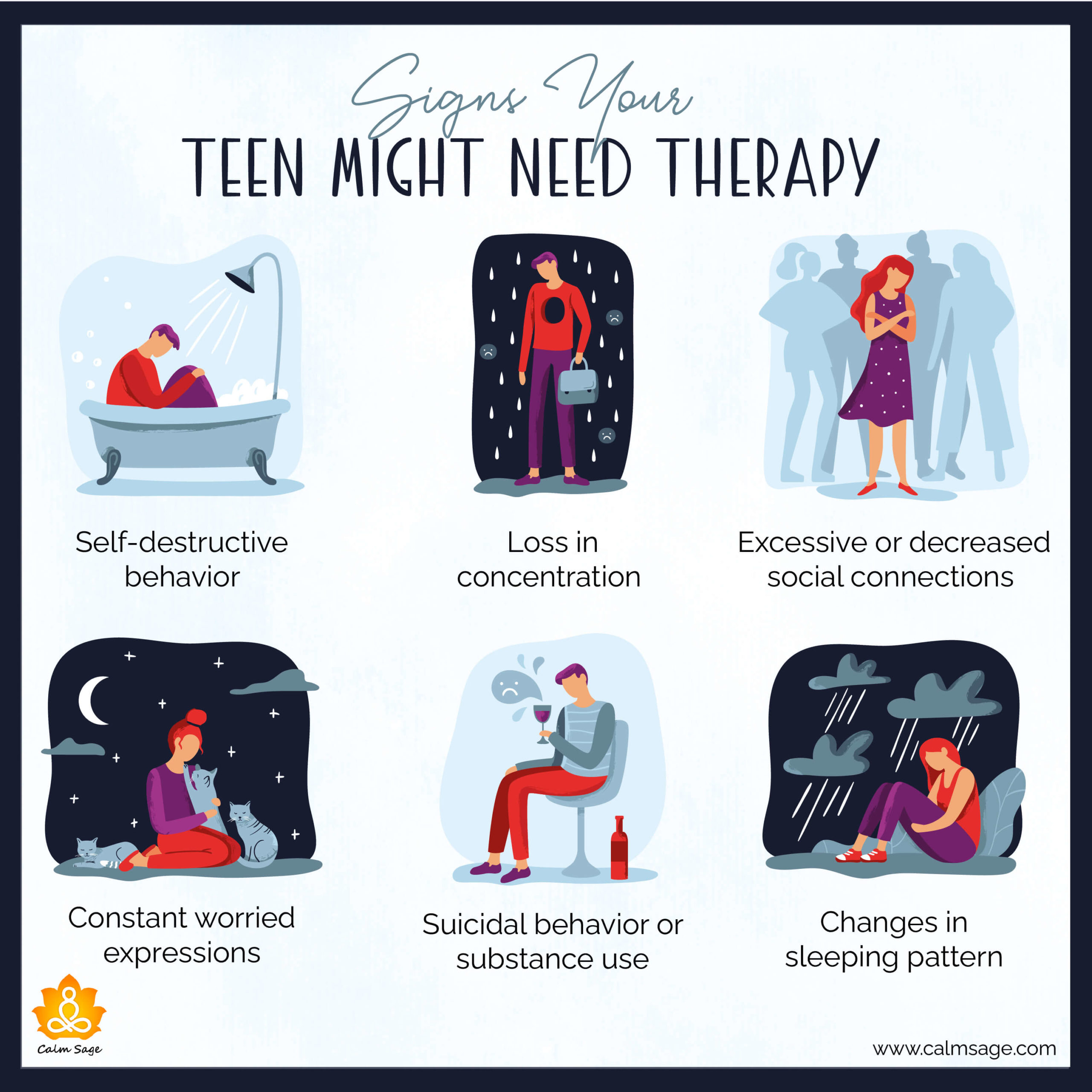
Teenager therapy frequently deals with a variety of usual concerns that adolescents face, reflecting the complexities of this developing stage. One substantial problem is stress and anxiety, which can materialize as social anxiousness or general anxiety condition, typically stemming from social expectations or scholastic pressures. An additional widespread issue is depression, defined by feelings of unhappiness, despondence, and withdrawal from tasks.
In addition, many teens grapple with identification expedition, consisting of sexual preference and self-image, which can bring about complication and distress. Family members dynamics, including conflicts and communication failures, additionally play a critical function in a teenager's emotional wellness.

Moreover, the influence of peer stress and bullying can lead to sensations of isolation and low self-worth. Compound abuse is another important concern that therapists often address, as teens might seek escape from their psychological struggles. Collectively, these obstacles highlight the need for encouraging treatments during this transformative duration.
Different Restorative Methods for Teens
Different restorative approaches are available to resolve the special requirements of teens, each offering distinctive methods for promoting psychological growth and strength. Cognitive Behavior Modification (CBT) is often utilized, assisting teenagers recognize and modify adverse idea patterns. Dialectical Behavior Modification (DBT) concentrates on psychological policy and interpersonal performance, specifically advantageous for those experiencing extreme feelings.

Additionally, art and play therapy give imaginative electrical outlets for self-expression, allowing teenagers to express sensations that could be difficult to share verbally. Group therapy additionally functions as an encouraging environment where teens share experiences and create social abilities.
Mindfulness-based therapies advertise present-moment recognition, aiding in stress and anxiety reduction and psychological administration. Family members therapy addresses dynamics that click to find out more might add to a teenager's mental wellness challenges, promoting much healthier communication within the family members device. Each approach can be customized to match private requirements, aiding teenagers browse their unique difficulties successfully.
Advantages of Therapy for Emotional Resilience
Treatment supplies many advantages for adolescents looking for to construct psychological resilience, specifically as they navigate the intricacies of maturing. teenage counselling near me. One significant advantage is the advancement of coping approaches, which encourage teenagers to manage stress and anxiety and adversity extra efficiently. By finding out to recognize and express their feelings, teens acquire better self-awareness, helping with healthier responses to difficulties
In addition, treatment promotes analytic abilities, making it possible for teens to approach difficulties with a useful mindset. Via assisted discussions, they can discover various point of views, improving their capability to adapt to transforming scenarios.
Therapeutic settings also encourage the expression of sensations in a safe room, minimizing feelings of seclusion and advertising psychological recognition. As adolescents practice durability in treatment, they commonly experience increased self-confidence in their capacity to handle life's downs and ups. Ultimately, these advantages add to a stronger emotional foundation, furnishing teens with the devices needed for a healthier future.
Developing a Helpful Atmosphere for Teen Mental Health
Developing a helpful atmosphere for teen psychological health and wellness is critical, as it prepares for strength and emotional well-being. This environment can be fostered through open interaction, where teens feel risk-free revealing their ideas and feelings without worry of judgment. Peers, educators, and parents play crucial duties in developing a society of assistance and understanding.
Urging favorable relationships and peer connections can considerably improve a teenager's feeling of belonging. Involving in community tasks and fostering teamwork offers opportunities for social interaction and emotional growth. Educators can likewise add by executing psychological health programs that raise understanding and decrease preconception bordering psychological health and wellness concerns.
Offering accessibility to mental wellness resources, such as therapy services, guarantees that teens get the aid they need. Inevitably, a caring environment, defined by compassion and assistance, equips adolescents to grow mentally, paving the method for healthier futures
Regularly Asked Questions
Just How Can Moms And Dads Motivate Teens to Attend Therapy?
Parents can motivate teenagers to attend therapy by openly talking about mental health and wellness, stabilizing seeking assistance, providing details regarding the process, offering to accompany them, and stressing the prospective advantages for individual development and emotional wellness.
What if a Teen Rejects to Join Therapy?
If a teenager declines to take part in therapy, it's crucial for moms and dads to remain patient, connect freely, and helpful hints discover the underlying factors for resistance. Encouragement and understanding can foster a willingness to reevaluate therapy in the future.
How Much Time Does Therapy Typically Last for Teens?
Treatment for young adults commonly lasts between 6 to twelve sessions, though period can differ based upon private demands, objectives, and development. Some may need longer-term assistance, while others attain their purposes sooner.
Can Treatment Assist With Academic Stress for Teens?
Treatment can dramatically assist teenagers in handling scholastic anxiety by supplying coping methods, enhancing time management, and boosting emotional strength. This support promotes a much healthier mindset, allowing them to navigate difficulties better and achieve scholastic success.
Are There Specific Age Limitations for Teenager Therapy Procedure?
There are generally no rigorous age limitations for teen therapy sessions; however, solutions typically target individuals aged 13 to 19. Some specialists might likewise work with preteens, relying on specific needs and scenarios.
Mindfulness-based therapies promote present-moment recognition, helping in stress and anxiety decrease and emotional monitoring. Household therapy addresses click here now dynamics that might contribute to a teen's psychological health and wellness challenges, promoting healthier interaction within the household device. Therapy gives countless benefits for adolescents looking for to build emotional strength, particularly as they browse the complexities of growing up. Additionally, therapy fosters analytic skills, enabling teenagers to come close to problems with a constructive attitude. Therapy can significantly help teens in handling academic stress and anxiety by providing coping approaches, enhancing time monitoring, and enhancing psychological strength.